Gen Z Burnout Is a Business Risk - What Neuroscientist Dr Tara Swart Says HR Must Do Now
Resilience has become one of the most urgent leadership priorities of our time. But for today’s youngest workforce generation, it’s not just a buzzword, it’s a growing concern.
Gen Z employees are entering the workplace during a period defined by constant change, economic uncertainty, digital overload, and blurred boundaries between work and life. Research consistently shows they are experiencing higher levels of stress, anxiety, and burnout earlier in their careers than previous generations, with 91% of Gen Z workers reporting mental health challenges linked to higher contextual pressure, not lower capability or resilience.
Understanding how to support their resilience is no longer optional for organisations, it’s critical to retention, performance, and long-term workforce sustainability.
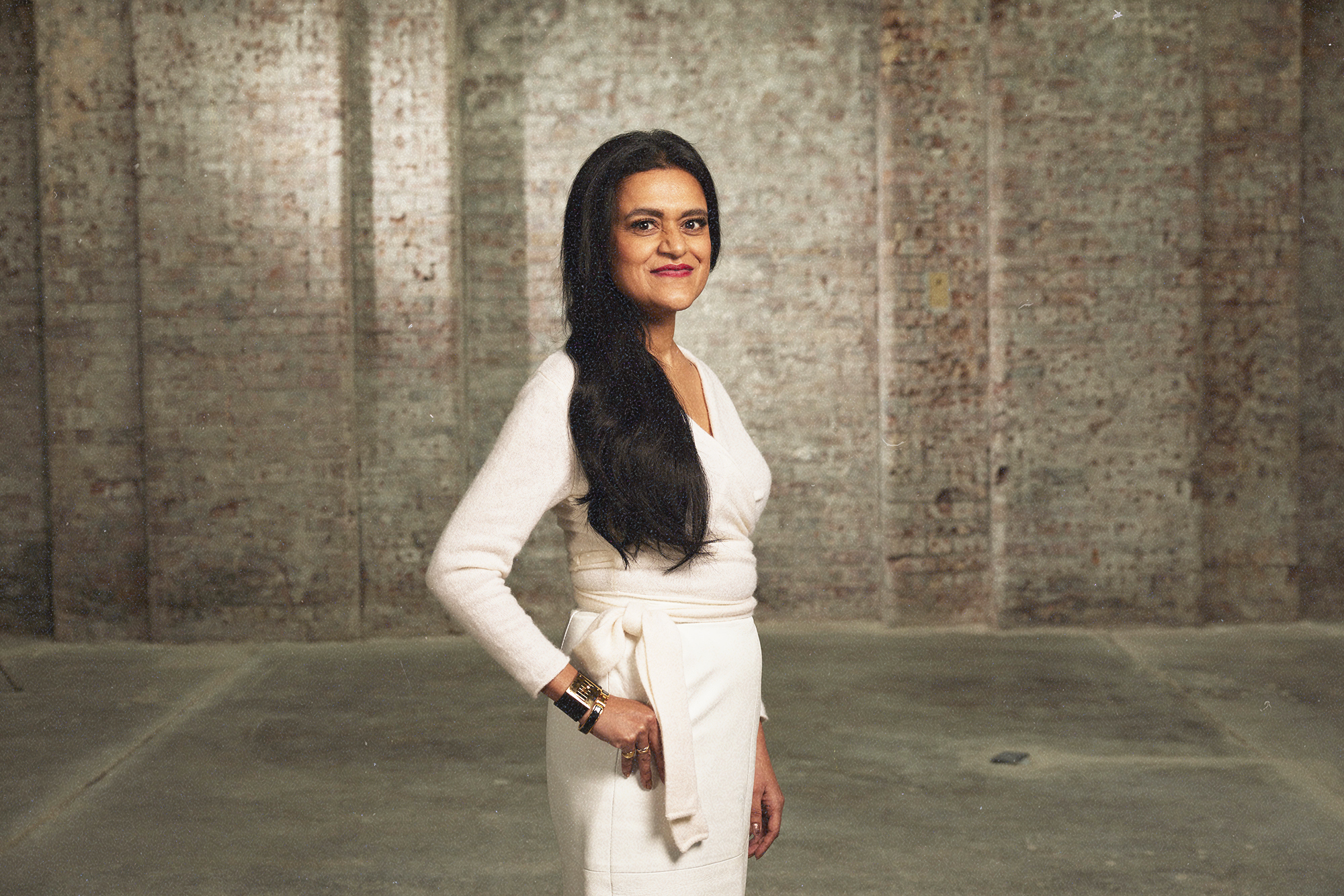
Few voices offer a more science-backed perspective on this challenge than neuroscientist, leadership advisor, and bestselling author Dr Tara Swart.
Why Gen Z Is Struggling With Workplace Resilience
For HR leaders, the data paints a clear picture:
- Gen Z employees report the highest levels of burnout among all age groups.
- They are more likely to feel overwhelmed by workload, constant connectivity, and pressure to perform.
- Many lack the coping frameworks traditionally built through earlier career stability.
From a neuroscience perspective, this makes sense.
Dr Swart explains that younger professionals are developing their careers in environments where the brain is under near-constant cognitive load; juggling notifications, rapid change, and uncertainty. Over time, this can keep the nervous system in a prolonged stress state, making recovery and adaptability more difficult.
In simple terms: many Gen Z employees aren’t lacking resilience, they’ve simply never been taught how to build it, and they are carrying higher background pressure than generations prior. This pressure can be costly for businesses, as it can present as performance and retention risk; with average Gen Z job tenure being approximately 1.1 years.
The Neuroscience of Resilience at Work
One of Dr Swart’s most important contributions is reframing resilience as a trainable brain capability, not a personality trait.
Her research highlights several key mechanisms that are particularly relevant for younger employees:
Neuroplasticity: The Brain Can Learn Resilience
Resilience isn’t fixed. The brain can rewire itself to respond more calmly and effectively to stress, but only when people are given the right tools and environments to practise these skills.
Stress Regulation Is Foundational
When employees remain in “fight-or-flight” mode for prolonged periods, cognitive performance, decision-making, and emotional regulation decline. Teaching practical nervous system regulation is essential for preventing burnout.
Mindset Shapes Adaptability
Gen Z employees often face high expectations combined with fear of failure. Neuroscience shows that reframing challenges as learning opportunities directly improves resilience pathways in the brain.
Daily Habits Drive Long-Term Capacity
Small, consistent behaviours, from recovery time to focus management, have a measurable impact on mental stamina and performance.
For HR leaders, the implication is clear: resilience must be treated as a skill to develop, not a trait to expect.
Why This Matters for HR and Organisational Strategy
The workplace context facing Gen Z is fundamentally different from previous generations:
-
Hybrid work can increase isolation and reduce informal support
-
Always-on digital communication accelerates cognitive fatigue
-
Economic uncertainty creates constant background stress
-
Early career pressure intensifies performance anxiety
Without intentional support, these factors can create a workforce that is talented but exhausted.
Dr Swart’s work provides organisations with a powerful insight:
Resilience isn’t about pushing employees to cope with more; it’s about equipping them to recover, adapt, and sustain performance over time.
For HR leaders, this shifts resilience from an individual responsibility to a strategic organisational capability.
Building Resilient Workplaces for Gen Z
Organisations that successfully support Gen Z resilience typically focus on three key areas:
1. Skills, Not Slogans
Resilience training must move beyond motivational messaging to practical, science-based tools for stress regulation, focus, and adaptability.
2. Leadership Behaviour
Managers play a critical role in modelling psychological safety, realistic workload expectations, and healthy recovery norms.
3. Culture by Design
Resilience should be embedded into ways of working, from meeting structures to communication rhythms, rather than treated as a reactive wellbeing initiative.
The Beam Perspective
At Beam, we see resilience as the defining workforce challenge of the next decade; particularly as Gen Z becomes the largest employee demographic.
Like Dr Tara Swart, we believe resilience is not a fixed trait but a trainable capability.
Our work focuses on helping organisations:
-
Equip employees with science-backed tools to manage stress and cognitive overload
-
Embed resilience into everyday workflows, not just crisis responses
Because resilience isn’t about enduring constant pressure, it’s about building the conditions that allow people to recover, adapt, and thrive.
Closing Thought
Gen Z’s struggles with burnout are not a sign of weakness. They are a signal that the modern workplace demands a new approach to resilience.
Dr Tara Swart’s neuroscience reminds us of a powerful truth:
Resilience can be taught, strengthened, and scaled, when organisations choose to invest in it.

Read More
Unlock Expertise: Dive into Resources, Blogs, Media, White Papers & Research